How to Propagate Your Favorite Houseplants
12/29/2025
Common Houseplant Pests and How to Eliminate Them
12/29/2025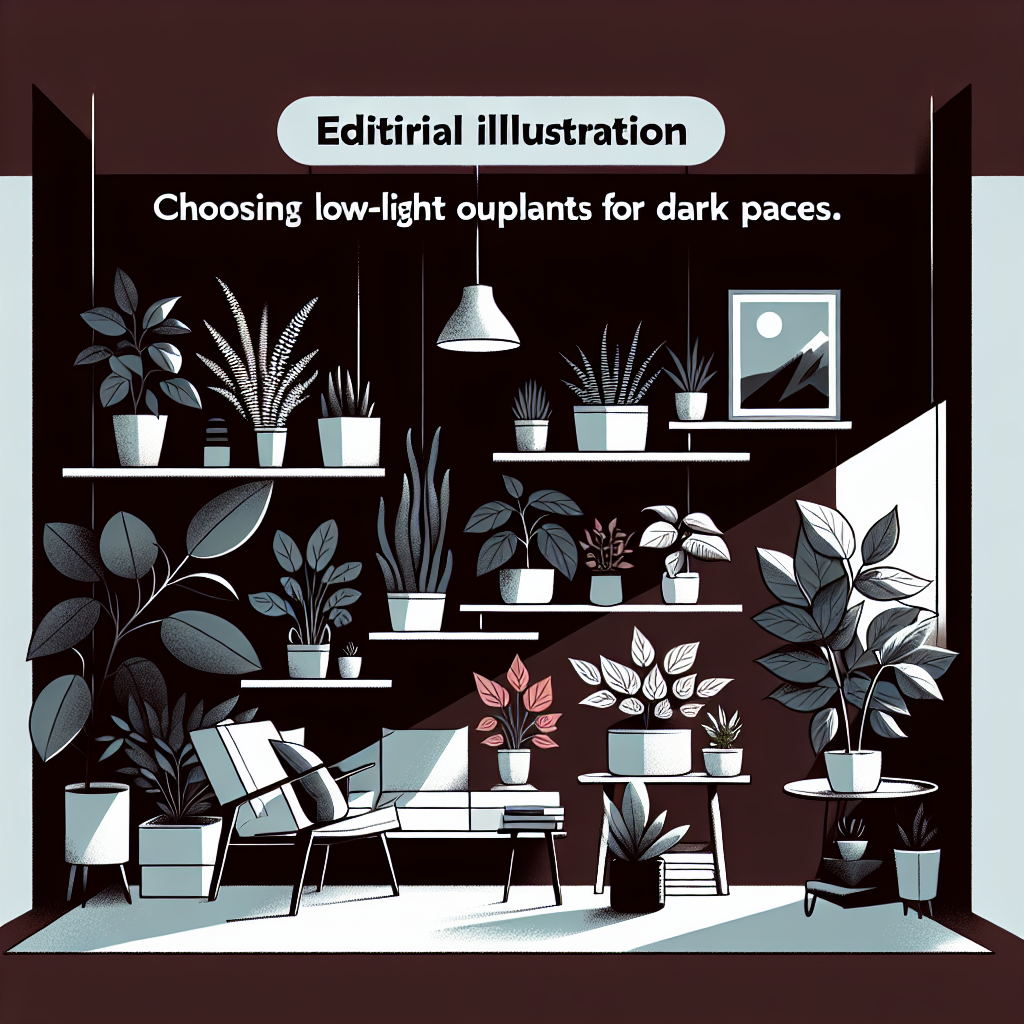
Choosing Low-Light Houseplants for Dark Spaces
Introduction
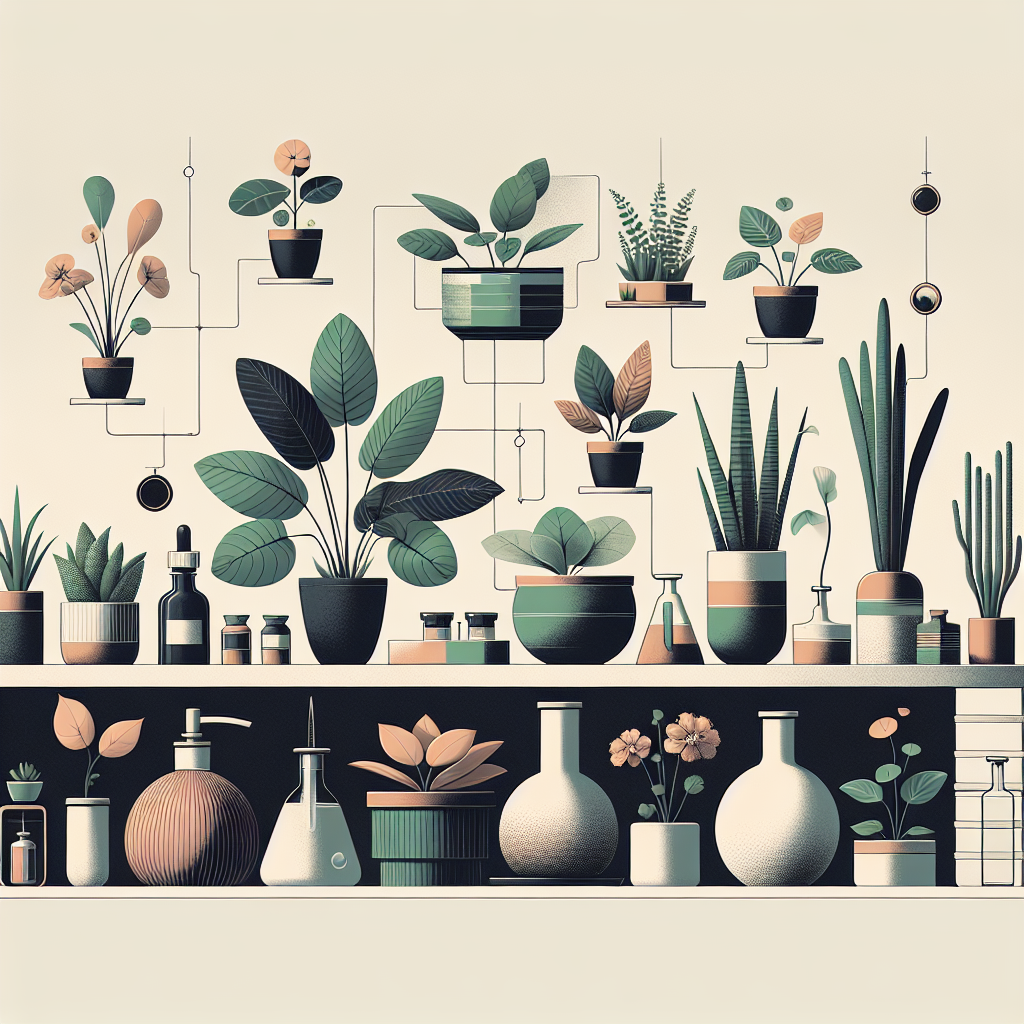
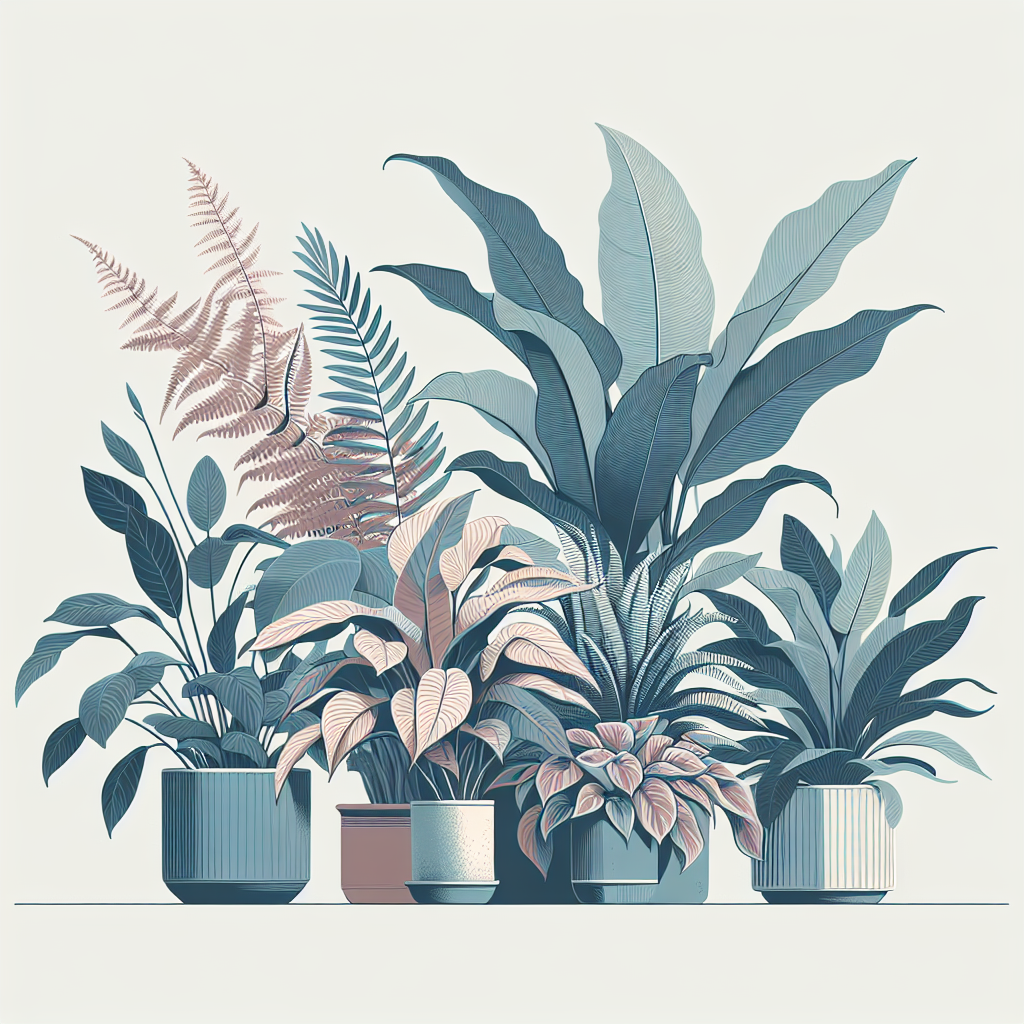
Many homeowners desire to bring greenery into their living spaces, but not all homes benefit from abundant natural light. Fortunately, there are numerous low-light houseplants that thrive in darker areas, allowing you to enjoy the beauty of nature even in shadowy corners. Understanding how to choose and care for these plants can enhance your indoor environment while ensuring your plants remain healthy and vibrant.
Why Choose Low-Light Houseplants?
Low-light houseplants offer several benefits for those with limited sunlight exposure:
- Air purification: Many low-light plants can improve indoor air quality by removing toxins.
- Low maintenance: These plants often require less frequent watering and care.
- Versatility: They can be placed in a variety of locations, from bedrooms to offices.
- Aesthetic appeal: Adding greenery can enhance the overall look and feel of your space.
Top Low-Light Houseplants
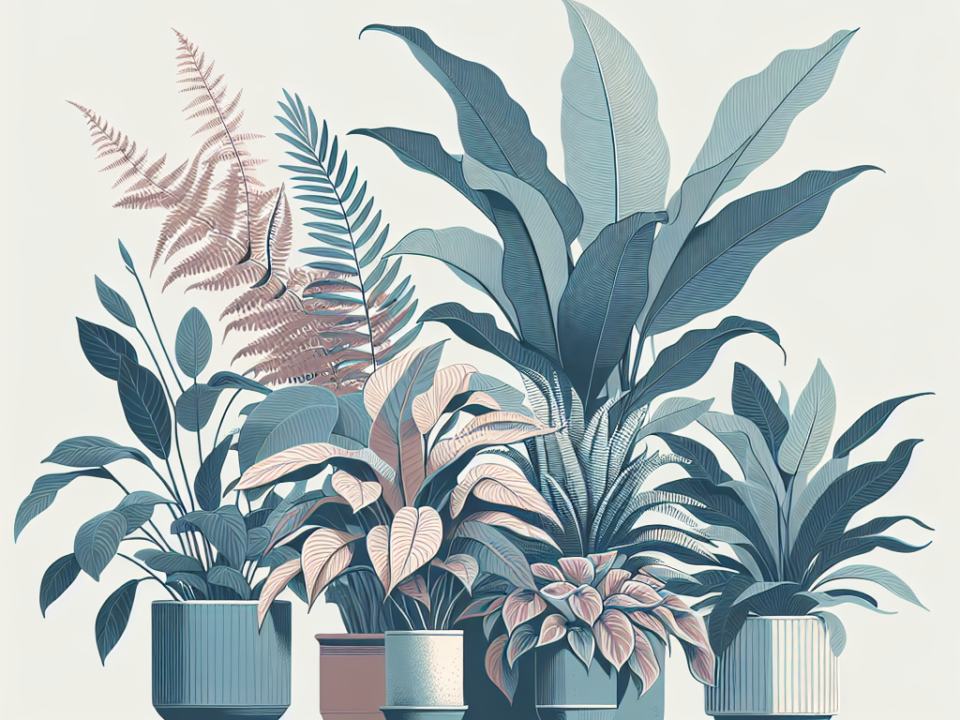
When selecting plants for dark spaces, consider the following species that are known for their resilience and adaptability.
- Snake Plant (Sansevieria): This hardy plant can survive in minimal light and requires infrequent watering.
- Pothos (Epipremnum aureum): Renowned for its trailing vines, Pothos thrives in low light and is easy to propagate.
- ZZ Plant (Zamioculcas zamiifolia): With its glossy leaves, the ZZ plant can tolerate neglect and low-light conditions.
- Cast Iron Plant (Aspidistra elatior): True to its name, this plant is nearly indestructible and great for dark corners.
- Peace Lily (Spathiphyllum): This plant not only thrives in shade but also produces beautiful white flowers.
Factors to Consider When Choosing Low-Light Plants
Selecting the right plant involves more than just looking for low-light options. Here are some factors to consider:
- Humidity levels: Some low-light plants prefer higher humidity; consider using a humidifier if your space is dry.
- Temperature: Ensure the plant can thrive in the temperature range of your home.
- Growth habits: Understand whether you want a trailing, upright, or bushy plant for your space.
- Pot size: Choose an appropriate pot that allows for proper drainage and growth.
Common Mistakes to Avoid
In your journey to selecting and caring for low-light plants, be mindful of these common mistakes:
- Overwatering: Many houseplants, including low-light varieties, prefer to be on the dry side.
- Ignoring pests: Even low-light plants can attract pests. Regularly check your plants for signs of infestation.
- Neglecting fertilization: While they need less maintenance, these plants can benefit from occasional feeding.
Tips for Thriving in Low-Light Conditions
To ensure your low-light houseplants flourish, consider these practical tips:
- Rotate plants: Occasionally rotate your plants to ensure even light exposure.
- Use grow lights: If natural light is extremely limited, consider supplementing with artificial grow lights.
- Monitor growth: Keep an eye on your plants. If they start stretching towards light, they may need a brighter location.
Conclusion
Choosing low-light houseplants can transform dark spaces into vibrant areas of your home. By understanding which plants thrive in minimal light, considering environmental factors, and avoiding common pitfalls, you can create a lush indoor garden that enhances both aesthetics and air quality. Remember to care for your plants consistently and enjoy the unique beauty they bring to your living environment.