
Must-Have Tools for Indoor Gardening Success
12/29/2025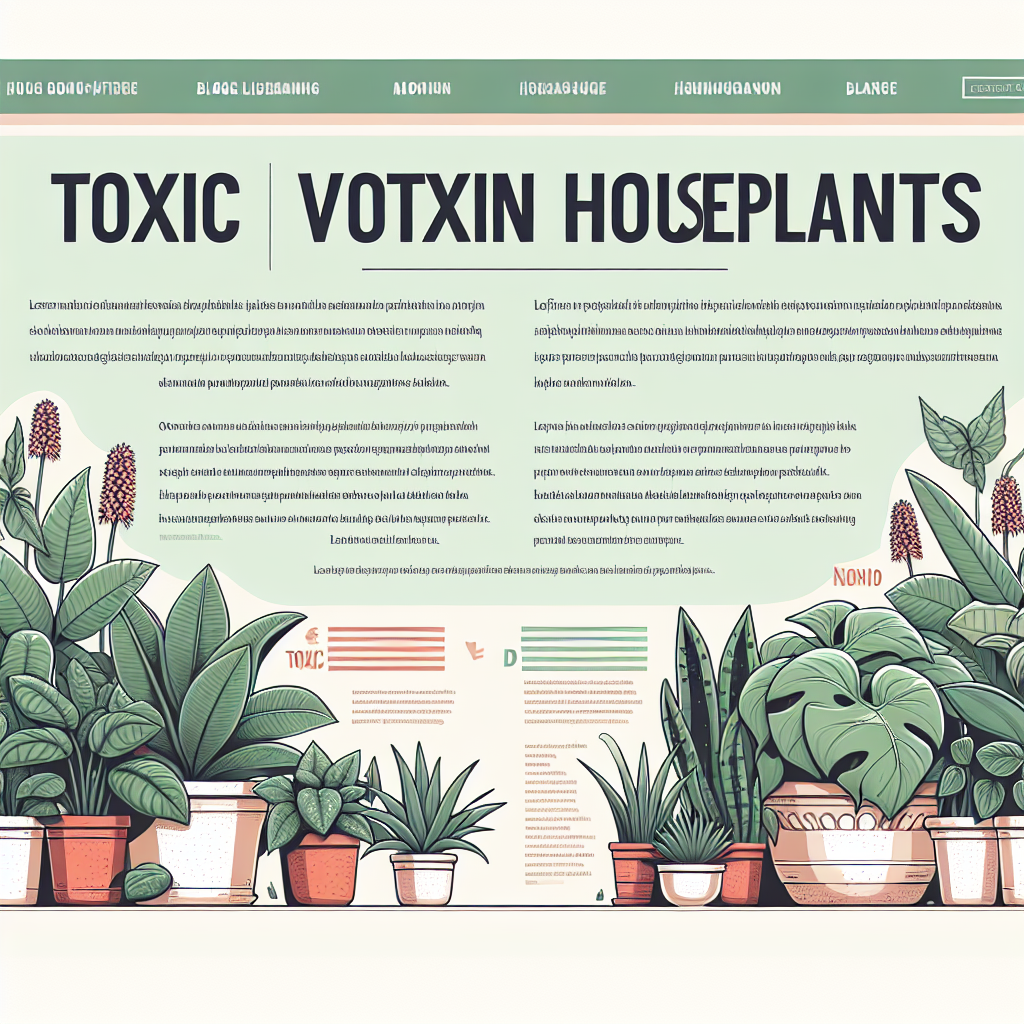
A Guide to Toxic vs. Non-Toxic Houseplants
A Guide to Toxic vs. Non-Toxic Houseplants
Houseplants are a delightful addition to any home, providing not only aesthetic appeal but also numerous health benefits. However, it’s essential to choose the right plants, especially if you have pets or small children. Understanding the difference between toxic and non-toxic houseplants can help you make informed decisions that ensure a safe and vibrant indoor environment.
Why Knowing Plant Toxicity Matters
Houseplants can enhance mood, improve air quality, and create a serene atmosphere. Unfortunately, not all plants are safe for every household. Some species contain chemicals that can be harmful if ingested, inhaled, or touched. Awareness of which plants pose risks can prevent potential health issues and create a safer living space.
Common Toxic Houseplants
Many popular houseplants are toxic to pets and humans. Here are a few to watch out for:
- Philodendron: Contains calcium oxalate crystals, leading to oral irritation and swelling.
- Dieffenbachia (Dumb Cane): Can cause throat swelling and difficulty breathing if chewed.
- Oleander: Highly toxic; ingestion can lead to serious heart problems.
- Peace Lily: While not deadly, it can cause discomfort and irritation in pets and humans.
- Snake Plant: Contains saponins that can result in nausea and vomiting.
Common Non-Toxic Houseplants
Fortunately, there are many beautiful plants that are safe for curious pets and children. Some popular non-toxic options include:
- Spider Plant: Easy to care for and non-toxic to pets.
- Bamboo Palm: Great for air purification and completely safe.
- Boston Fern: A lush addition that’s gentle for all family members.
- Ponytail Palm: Unique in appearance and perfectly safe.
- Calathea: Known for beautiful foliage, and it’s safe for pets.
How to Choose Houseplants Wisely
When selecting houseplants, consider the following tips to ensure safety:
- Research Plant Varieties: Always check if a plant is toxic before bringing it home.
- Consider Your Environment: Assess factors such as light, humidity, and temperature to choose suitable plants.
- Think About Maintenance: Select plants that match your gardening experience and commitment level.
- Assess Pet Safety: If you have pets, prioritize non-toxic plants to prevent accidental ingestion.
Benefits of Non-Toxic Houseplants
Non-toxic houseplants offer numerous advantages, including:
- Safety: Peace of mind knowing that your plants won’t harm your loved ones.
- Aesthetic Appeal: Many non-toxic plants have vibrant colors and interesting shapes.
- Air Quality Improvement: Like their toxic counterparts, they also help in purifying air.
- Ease of Care: Non-toxic plants often thrive in everyday household conditions.
Common Mistakes to Avoid
When selecting houseplants, be mindful of these common pitfalls:
- Assuming all houseplants are safe; always verify toxicity.
- Choosing plants based solely on appearance without considering care requirements.
- Neglecting to research pet safety and compatibility with children.
Conclusion
Choosing houseplants can be a rewarding experience, enhancing both your home and wellbeing. However, it’s crucial to distinguish between toxic and non-toxic varieties. By researching and selecting safe plants, you can create a lush, vibrant indoor garden without compromising the health of your family and pets. Remember to consider your home environment and plant maintenance needs while expanding your collection. With the right knowledge, you can enjoy the beauty of houseplants without any worries.