Indoor Gardening Essentials for Houseplant Enthusiasts
12/29/2025
How to Create a Care Schedule for Your Plants
12/29/2025
Signs Your Houseplant Needs More Light or Water
Introduction
Houseplants can transform any indoor space into a vibrant oasis. However, maintaining their health requires careful attention to their specific needs, particularly light and water. Knowing the signs that your houseplant may need more light or water is essential for keeping your plants thriving and flourishing. This article will guide you through these signs, ensuring your green companions thrive.
Understanding Plant Needs
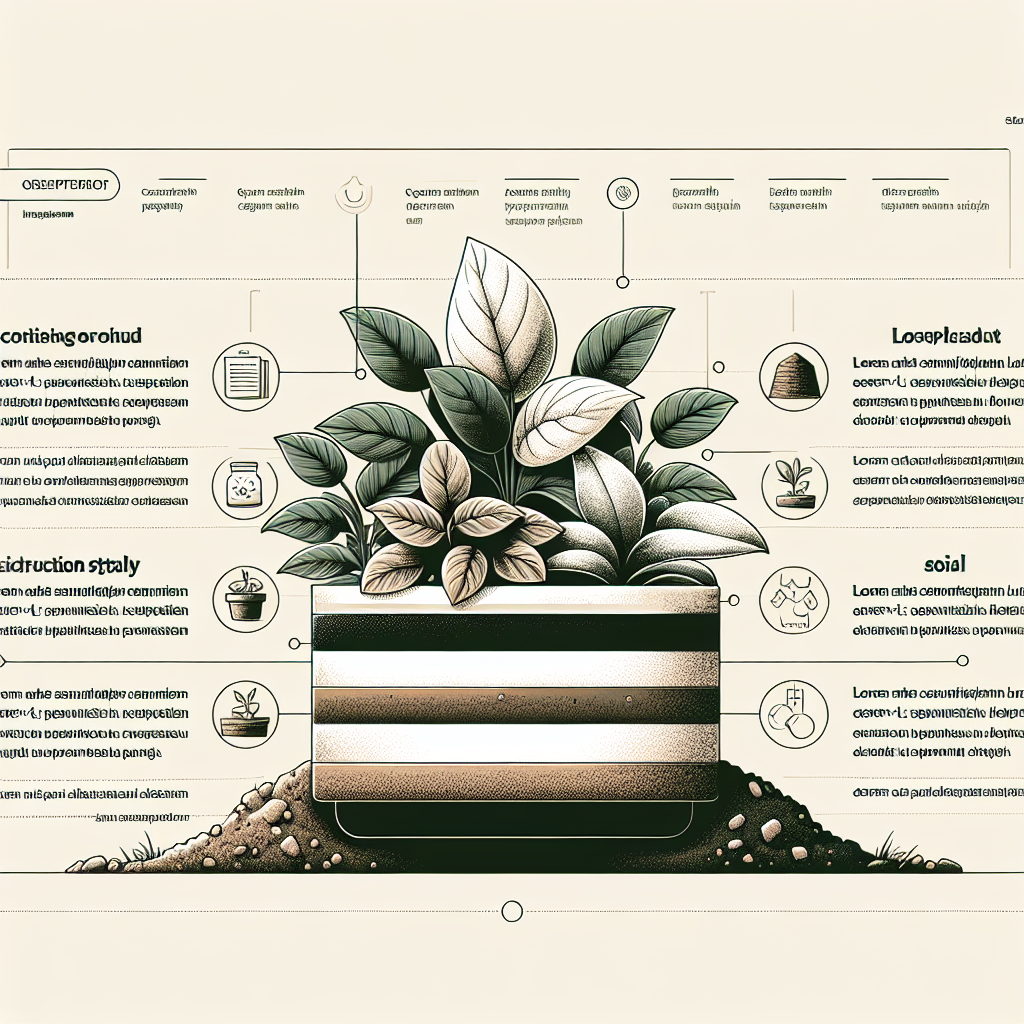
Plants, like all living organisms, have specific requirements that must be met for them to grow optimally. Understanding these needs is crucial in providing the best care. Two of the most critical factors influencing plant health are light and water.
Signs Your Houseplant Needs More Light
Light is vital for photosynthesis, the process through which plants create energy. Here are some common indicators that your houseplant might not be getting enough light:
- Leggy Growth: If your plant is stretching towards the light source, it may be trying to compensate for insufficient light.
- Yellowing Leaves: A lack of light can cause leaves to yellow and drop. This is often a sign of stress.
- Slow Growth: If your plant seems to have paused in its growth, it may not be receiving enough light to stimulate new growth.
- Leaves Turning Brown: Some plants may develop brown tips or edges, indicating they are struggling.
- Loss of Variegation: For variegated plants, a decrease in color contrast can suggest insufficient light levels.
Signs Your Houseplant Needs More Water
Water is another essential component for plant health. It aids in nutrient transport and photosynthesis. Here are some signs that your houseplant may be thirsting for water:
- Wilting Leaves: If the leaves are drooping or wilting, it often indicates they require water.
- Dry Soil: Check the soil; if it feels dry several inches down, it’s time to water.
- Crispy Leaves: Leaves that feel dry and brittle are a sign of underwatering.
- Leaf Drop: Sudden leaf drop can be a reaction to inconsistent watering.
- Brown Leaf Tips: This can indicate either underwatering or low humidity levels.
How to Assess Light and Water Needs
Regularly assessing your plant’s environment is key to understanding its needs. Here are some tips for evaluating light and water:
- Observe your plant’s location throughout the day to determine how much natural light it receives.
- Use a moisture meter to check soil moisture levels before watering.
- Consider the type of plant you have; some plants thrive in low light, while others require bright, direct sunlight.
- Adjust the watering schedule based on seasonal changes, as plants often require less water in winter.
Best Practices for Plant Care
To ensure your houseplants receive adequate light and water, consider these best practices:
- Rotate your plants regularly to promote even growth.
- Use pots with drainage holes to prevent waterlogging.
- Group plants with similar light and water needs together.
- Keep an eye on humidity levels, especially during dry seasons.
- Choose the right soil; well-draining soil can help manage water levels effectively.
Common Mistakes to Avoid
When caring for houseplants, several common mistakes can lead to health issues:
- Overwatering is one of the most frequent pitfalls. Always check soil moisture before watering.
- Ignoring plant-specific light requirements can lead to poor growth.
- Placing plants in drafty areas or too close to heating vents can cause stress.
- Neglecting to clean leaves can hinder photosynthesis.
Conclusion
Maintaining healthy houseplants hinges on your ability to recognize when they need more light or water. By understanding the signs and implementing best practices, you can create a thriving indoor garden. Regularly assess your plants and adjust their care accordingly. With a little attention and love, your houseplants will flourish, bringing life and color to your home.