Seasonal Houseplant Care: What You Need to Know
12/29/2025
Choosing Low-Light Houseplants for Dark Spaces
12/29/2025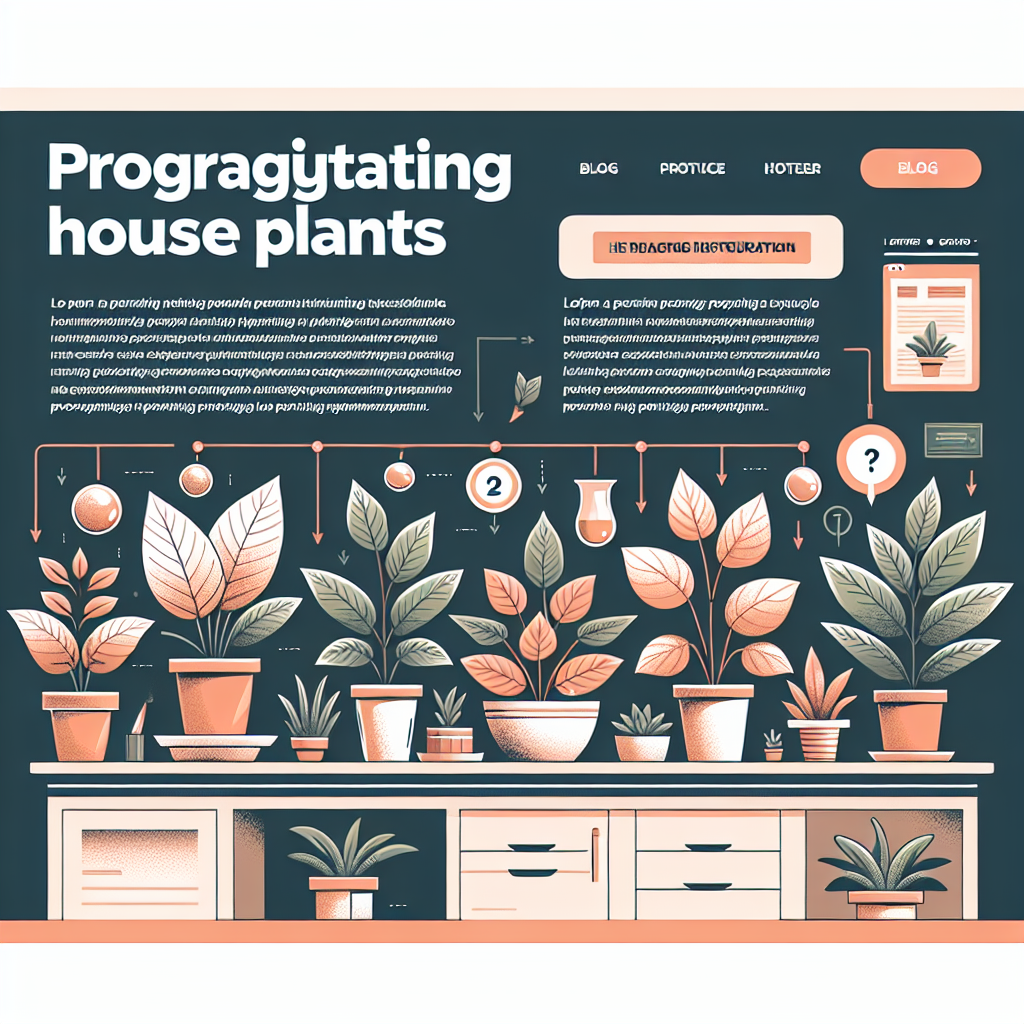
How to Propagate Your Favorite Houseplants
Introduction
Propagating houseplants can be an exciting and rewarding endeavor for both novice and experienced gardeners. Not only does it allow you to expand your collection without breaking the bank, but it also provides an opportunity to nurture new life. In this article, we will explore various propagation methods, tips for success, and common mistakes to avoid. Whether you’re interested in sharing your plants with friends or simply want to enjoy your favorites in multiple spaces, this guide is for you.
Understanding Plant Propagation
Propagation is the process of growing new plants from a variety of sources: seeds, cuttings, bulbs, or other plant parts. For houseplants, the most common methods are cuttings, division, and layering. Each method has its unique benefits, and understanding them is crucial for successful propagation.
Common Propagation Methods
- Cuttings: Taking a section of a stem or leaf to grow a new plant.
- Division: Splitting a plant into multiple sections, each with roots.
- Layering: Encouraging roots to form on a stem while it’s still attached to the parent plant.
How to Propagate Using Cuttings
Cuttings are one of the easiest and most popular ways to propagate houseplants. Here’s a step-by-step guide:
- Choose the Right Plant: Select healthy mother plants with no signs of disease.
- Take the Cutting: Use clean, sharp scissors to cut a 4-6 inch section of a stem or leaf.
- Remove Lower Leaves: Strip off the lower leaves to expose nodes, which promote root growth.
- Rooting Medium: Place the cutting in water, soil, or a propagation medium.
- Provide Proper Conditions: Keep the cutting in indirect light and maintain humidity.
Propagation by Division
Division is ideal for plants that grow in clumps, such as snake plants or pothos. Here’s how to do it effectively:
- Timing: Propagate during the growing season, typically spring or early summer.
- Remove the Plant: Gently take the plant out of its pot and shake off excess soil.
- Identify Clumps: Look for natural divisions in the root system.
- Separate Carefully: Use a sharp knife to cut the roots, ensuring each division has roots and leaves.
- Replant: Place the divisions in new pots with fresh potting soil.
Layering Technique
Layering is a more advanced method that is particularly effective for trailing plants like philodendrons. Here’s how to do it:
- Select a Healthy Stem: Choose a low-hanging stem that can be bent to the soil.
- Wound the Stem: Make a small cut or scrape on the underside of the stem to encourage rooting.
- Secure in Soil: Bury the wounded section in soil while keeping the tip exposed.
- Water and Wait: Keep the soil moist and wait for roots to form before cutting it from the parent plant.
Common Mistakes to Avoid
While propagating plants can be straightforward, beginners often make a few common mistakes:
- Using Dull Tools: Always use sharp, clean tools to prevent damage and disease.
- Overwatering: Too much water can lead to rot; ensure proper drainage.
- Ignoring Light Conditions: Different plants have different light needs; ensure your cuttings receive appropriate light.
Benefits of Plant Propagation
Propagating houseplants not only saves money but also provides a fulfilling hobby. Here are some benefits:
- Cost-Effective: Grow new plants without purchasing them.
- Enhanced Plant Health: Regularly propagating can rejuvenate older plants.
- Personal Satisfaction: Watching new plants thrive can be incredibly rewarding.
Conclusion
Propagating houseplants is a skill that can enhance your gardening experience, allowing you to create a lush indoor oasis. By understanding the various methods and applying best practices, you can successfully grow new plants from your existing collection. Remember to be patient and attentive to your cuttings, as they require care and the right conditions to thrive. Happy propagating!