The Benefits of Growing Houseplants Indoors
12/29/2025
Tips for Maintaining Humidity for Tropical Plants
12/29/2025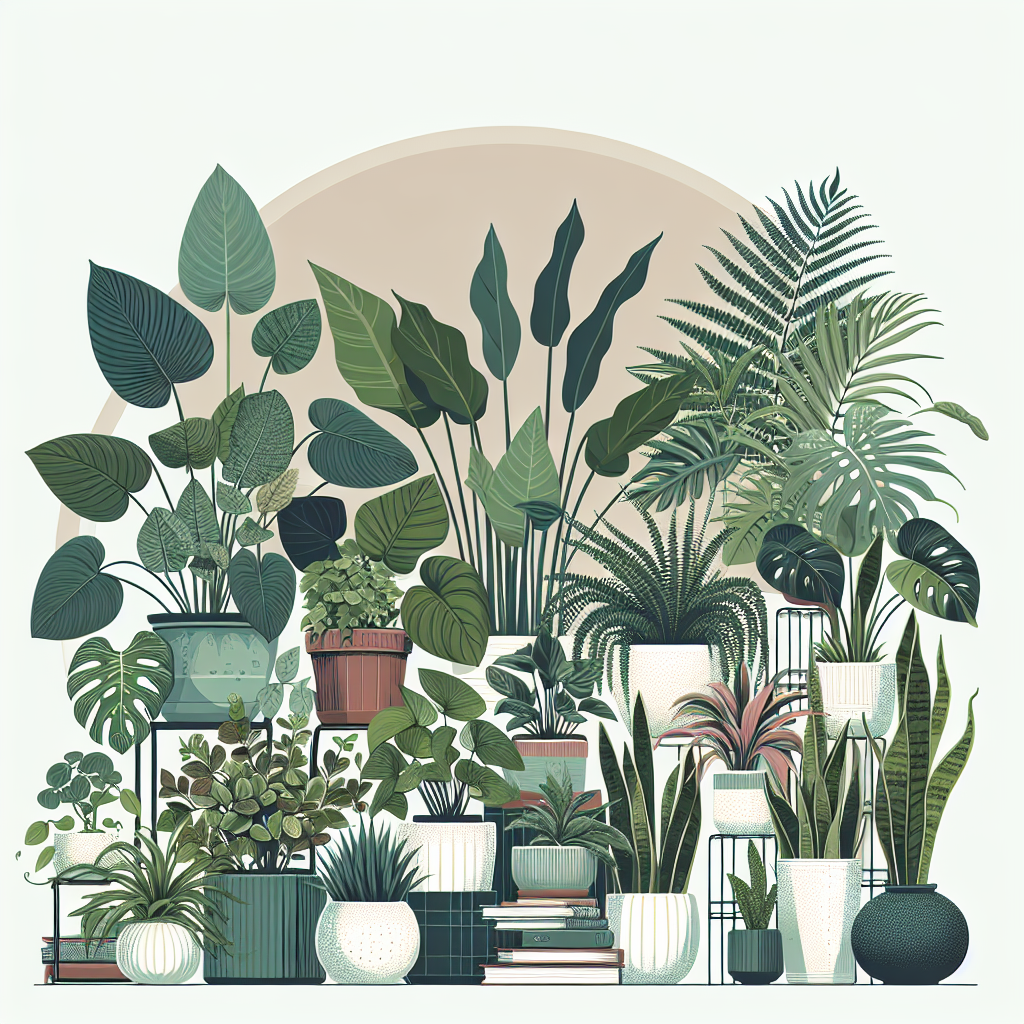
How to Group Houseplants for Optimal Growth
Introduction
Grouping houseplants is not just an aesthetic choice; it plays a significant role in their overall health and growth. By understanding how to effectively group your plants, you can create an environment that mimics their natural habitat, promoting better growth, humidity levels, and even pest control. This article will guide you through the essential principles of grouping houseplants for optimal growth.
Benefits of Grouping Houseplants
When you group houseplants together, there are multiple advantages that can enhance their growth and vitality:
- Increased Humidity: Plants release moisture through transpiration. Grouping them can create a microclimate with higher humidity, which is beneficial for many tropical species.
- Improved Air Circulation: When placed together, plants can benefit from the airflow created by their movements, reducing the likelihood of mold and mildew.
- Enhanced Aesthetics: A well-curated plant group can be visually appealing, making your space more inviting.
- Companion Planting: Some plants can help each other by deterring pests or attracting beneficial insects.
- Microclimate Creation: Plants can help regulate temperature and humidity, creating a more stable environment for growth.
Understanding Plant Needs
To group houseplants effectively, it is crucial to understand their individual needs. Different species require varying amounts of light, water, and humidity. Here are some factors to consider:
Light Requirements
- Low Light: Consider grouping plants like pothos and snake plants that thrive in low-light conditions.
- Medium Light: Plants such as peace lilies and ZZ plants do well in indirect sunlight.
- Bright Light: Succulents and cacti require plenty of direct sunlight and should be grouped separately.
Watering Needs
- Drought-Tolerant: Group plants such as succulents and cacti that require less frequent watering.
- Moderate Watering: Spider plants and ferns prefer consistent moisture and should be in the same group.
- High Moisture Needs: Consider clustering plants like calatheas and ferns that thrive in wet conditions.
Practical Tips for Grouping Plants
Here are some actionable tips to help you successfully group your houseplants:
- Choose a Base: Select a suitable surface or potting area that accommodates your plant group size and provides stability.
- Vary Heights: Arrange taller plants in the back and shorter ones in the front to create visual interest.
- Consider Foliage: Mix plants with different leaf shapes and colors for a vibrant display.
- Maintain Accessibility: Ensure that plants are easy to access for watering and maintenance.
- Monitor Growth: Regularly assess plant health and growth to make necessary adjustments to their groupings.
Common Mistakes to Avoid
While grouping plants can be beneficial, there are common pitfalls to be aware of:
- Ignoring Light Needs: Failing to consider light requirements can lead to stunted growth or plant death.
- Overcrowding: Too many plants in a small space can hinder airflow and increase the risk of diseases.
- Neglecting Watering Differences: Grouping plants with vastly different watering needs can lead to problems such as root rot or dehydration.
Conclusion
Grouping houseplants is a strategic way to enhance their growth and create a beautiful indoor garden. By understanding their needs and avoiding common mistakes, you can cultivate a thriving collection of plants. Remember to consider factors like light, water requirements, and aesthetics when arranging your plants. With a little thoughtfulness, you can ensure that your houseplants not only survive but thrive in your home.