
Signs Your Houseplant Needs More Light or Water
12/29/2025
Must-Have Tools for Indoor Gardening Success
12/29/2025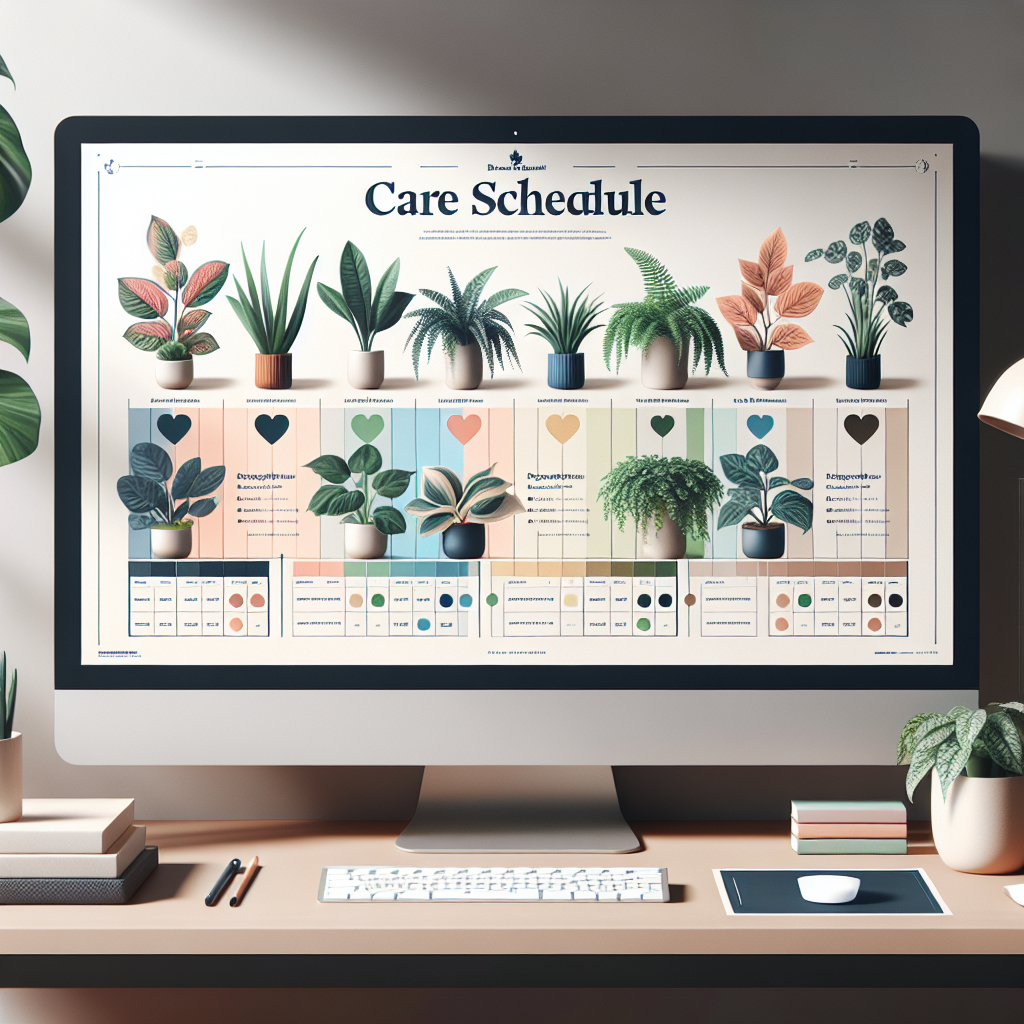
How to Create a Care Schedule for Your Plants
Introduction
Creating a care schedule for your plants is essential for maintaining their health and vitality. Houseplants can bring a refreshing touch to your home, but they require consistent attention to thrive. By establishing a care schedule, you ensure that your plants receive the necessary water, light, and nutrients they need to flourish.
In this article, we will explore the steps to create an effective care schedule for your houseplants, covering essential factors such as watering, fertilizing, and pest management. Whether you are a beginner or have some experience, you’ll find actionable insights to enhance your plant care routine.
Understanding Your Plants’ Needs
Before creating a care schedule, it’s crucial to understand the specific needs of your houseplants. Different species have varying requirements regarding water, light, and humidity. Here are some key factors to consider:
- Watering: Some plants prefer to dry out between waterings, while others like consistently moist soil.
- Light: Determine if your plants thrive in bright, indirect light or low-light conditions.
- Humidity: Tropical plants, for example, often require higher humidity levels.
Creating a Watering Schedule
Watering is one of the most critical aspects of plant care. To create a watering schedule, follow these steps:
- Assess Soil Moisture: Use your finger or a moisture meter to check the soil’s moisture level.
- Frequency: Note how often each plant needs watering. This may vary by season.
- Time of Day: Water in the morning or late afternoon to reduce evaporation.
For example, a snake plant may only need water every two to three weeks, while a peace lily might require water every week. Adjust your schedule based on the plant’s response.
Setting Reminders
Utilizing reminders can help you stay consistent. You can use:
- Calendar apps on your phone
- Plant care journals
- Dedicated plant care apps
Set reminders for both watering and other care tasks such as fertilizing and repotting.
Fertilization and Nutrient Management
Fertilizing your plants provides essential nutrients that promote growth. Here’s how to create an effective fertilization schedule:
- Choose the Right Fertilizer: Use a balanced fertilizer for general houseplants or a specialized one for specific types.
- Frequency: Most houseplants benefit from fertilization every 4-6 weeks during the growing season.
- Application Method: Follow the instructions on the fertilizer package for the best results.
Pest Management
Pests can be detrimental to your plants if not managed properly. Include pest management in your care schedule:
- Regular Inspection: Check for signs of pests such as discoloration or webbing.
- Natural Remedies: Consider using neem oil or insecticidal soap.
- Isolation: Quarantine new plants for a week to prevent pest spread.
Common Mistakes to Avoid
Many plant owners make mistakes that can harm their plants. Avoid these common pitfalls:
- Overwatering: Ensure pots have drainage holes and avoid letting plants sit in water.
- Ignoring Light Conditions: Place plants in appropriate lighting based on their needs.
- Inconsistent Care: Stick to your schedule for optimal plant health.
Conclusion
Creating a care schedule for your plants is a rewarding endeavor that enhances their growth and longevity. By understanding each plant’s specific needs, setting up a watering and fertilization routine, and actively managing pests, you can cultivate a thriving indoor garden. Remember to stay consistent and adjust your schedule as necessary based on your plants’ responses. With dedication and care, your houseplants will flourish and bring joy to your home.